
Introduction
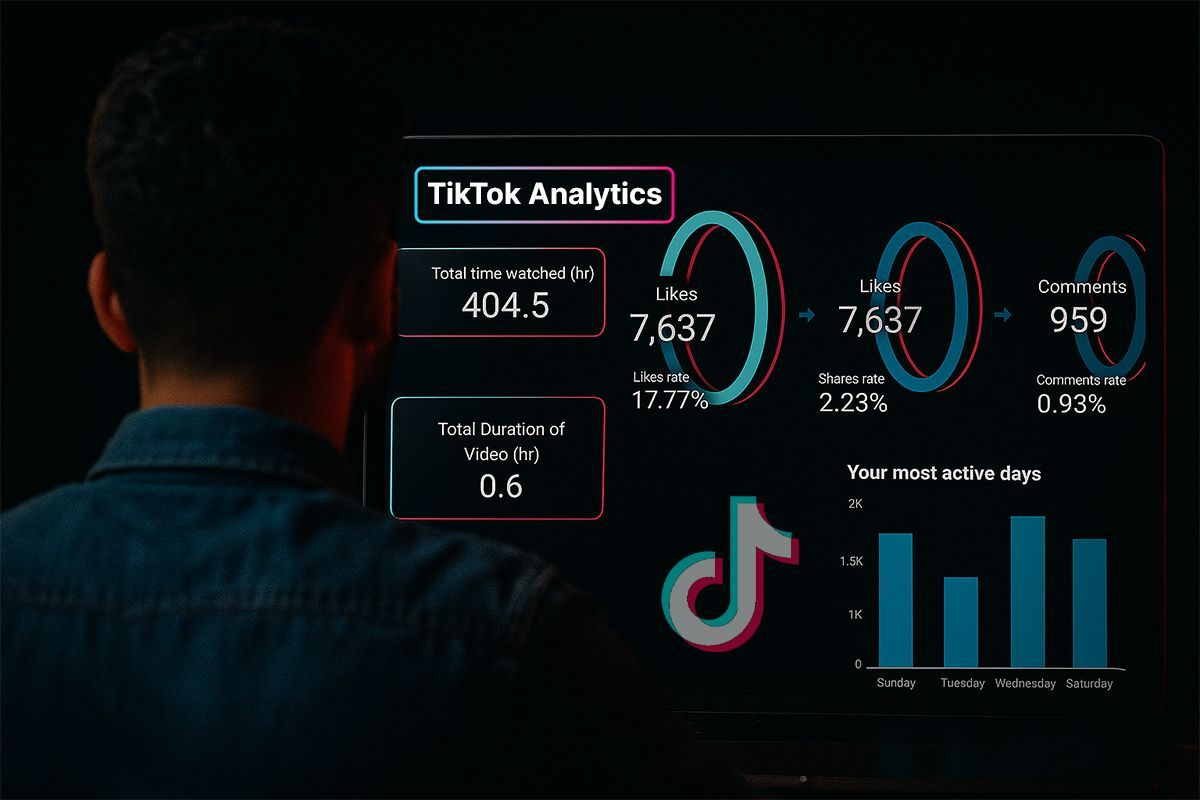
Trending content in 2026 depends on how platforms measure user behavior and how content matches those systems. Every platform uses ranking models that track watch time, engagement, and interaction patterns. Content that performs well in these signals moves into wider distribution.
A trending content strategy is not random posting. It is a structured system that aligns content creation with algorithm behavior and user interaction patterns.
This article explains how trending content works in 2026 and how a structured strategy can improve visibility across platforms.
What Trending Content Means
Trending content is content that receives increased distribution in a short time period.
The system identifies trending content based on:
- Rapid view growth
- High engagement rate
- High completion rate
- Strong sharing behavior
- Repeat viewing activity
When these signals increase together, the algorithm expands reach.
How Trending Systems Work
All platforms use a similar process:
- Content is published
- Small audience test begins
- Behavior data is collected
- Performance score is calculated
- Content is expanded or limited
This process is continuous and automated.
Core Signals in 2026
Trending systems rely on behavioral signals.
Watch time
Watch time measures how long users stay on content.
Completion rate
C=VtVc
Where:
C = completion rate
V_c = completed views
V_t = total views
Engagement rate
Engagement includes comments, shares, saves, and likes.
Replay rate
Replay rate shows repeated viewing behavior.
Share rate
Share rate shows how often content spreads beyond original viewers.
Content Lifecycle in Trending System
Every content piece follows a lifecycle:
Stage 1: Initial test group
Stage 2: Data collection phase
Stage 3: Expansion phase
Stage 4: Trending phase
Stage 5: Decline phase
Each stage depends on performance signals.
Content Structure Strategy
Structure affects algorithm interpretation.
Basic structure:
Hook
Information flow
Interaction point
Continuation section
Each part affects engagement behavior.
Hook Strategy for Trending Content
Hook is the entry point of content.
The system tracks:
- First second behavior
- Scroll stop rate
- Early exit rate
Hook types:
- Direct statement
- Question entry
- Situation entry
- Problem entry
Weak hooks reduce reach in early testing.
Retention Strategy
Retention is one of the most important ranking factors.
R=∑i=1nti
Where:
R = total retention
t_i = time spent by each viewer
Retention depends on pacing, structure, and flow.
Engagement Strategy
Engagement increases distribution speed.
Types:
- Comment behavior
- Share behavior
- Save behavior
- Reaction behavior
Higher engagement increases ranking score.
Timing Strategy
Posting time affects early performance.
Factors:
- User activity time
- Platform traffic cycle
- Competition level
Early engagement determines whether content enters trending cycle.
Audience Behavior System
Platforms classify users based on behavior patterns.
Groups:
- New viewers
- Returning viewers
- Active interactors
Returning viewers increase ranking strength.
Content Matching System
Content is matched with user interest data.
Inputs:
- Watch history
- Search history
- Interaction history
Matching increases probability of engagement.
Trend Trigger Mechanism
Content enters trending phase when signals cross threshold.
Triggers:
- Rapid engagement growth
- High retention rate
- Strong share activity
- Replay behavior increase
Algorithm Feedback Loop
Trending systems work through feedback loops.
Process:
- Content shown
- User reacts
- Data collected
- Ranking updated
- Content redistributed
Loop continues during lifecycle.
Content Format Strategy
Different formats perform differently.
Formats:
- Short video content
- Long video content
- Text content
- Mixed media content
Short content increases completion rate. Long content increases total watch time.
Performance Metrics
Trending content is measured using:
- Views
- Watch duration
- Completion rate
- Engagement rate
- Share rate
These metrics determine scaling.
Optimization Cycle
Content improves through repetition.
Cycle:
- Publish content
- Collect data
- Identify weak points
- Adjust structure
- Repost content
This cycle improves ranking stability.
Common Failure Reasons
Most content does not trend because of:
- Weak hook structure
- Low retention
- No engagement trigger
- Poor timing
- Irregular posting
These reduce algorithm visibility.
Scaling Strategy
Scaling depends on performance signals.
Steps:
- Improve hook structure
- Increase retention time
- Add interaction points
- Maintain consistency
Scaling starts after stable performance data.
Platform Differences
Each platform uses different ranking logic.
Video platforms focus on:
- Watch time
- Completion rate
Social platforms focus on:
- Engagement speed
- Interaction volume
Search platforms focus on:
- Relevance matching
Content Consistency System
Consistency improves algorithm recognition.
Elements:
- Posting frequency
- Topic alignment
- Format consistency
Consistent signals improve ranking stability.
Content Testing System
All content goes through testing phase.
Test includes:
- Small audience exposure
- Behavior tracking
- Performance scoring
- Expansion decision
Testing determines final reach.
Viral Entry Conditions
Content enters viral cycle when:
- Engagement rises quickly
- Retention stays stable
- Sharing increases
- Replay behavior grows
These conditions signal expansion.
Content Distribution Flow
Distribution happens in steps:
Step 1: Initial exposure
Step 2: Performance tracking
Step 3: Expansion decision
Step 4: Wider audience reach
Step 5: Stabilization or decline
Conclusion
Trending content in 2026 is not based on random posting. It is based on structured alignment with algorithm systems and user behavior patterns.
The system measures watch time, engagement, retention, and sharing behavior. Content that performs well in these signals enters trending cycles and expands across platforms.
A strong trending content strategy focuses on structure, timing, retention, and engagement signals. When these elements align with algorithm behavior, content reaches wider audiences through system-driven distribution.