Introduction
TikTok content distribution is controlled by algorithm systems that measure user behavior. A video does not become viral based on topic alone. It becomes viral when the first few seconds of the video generate strong retention and interaction signals.
The hook is the first part of a TikTok video. It decides whether a viewer continues watching or scrolls away. In 2026, hook performance is one of the strongest ranking factors in TikTok’s recommendation system.
This article explains how TikTok hooks work, how the system evaluates them, and how to structure hooks that improve reach.
What a TikTok Hook Means
A hook is the first segment of a video, usually the first 1 to 3 seconds. Its purpose is to stop scrolling behavior and create continued viewing.
The system tracks:
- First second retention
- Early drop rate
- Swipe away rate
- Continuation rate
If users leave early, the video loses ranking potential.
How TikTok Algorithm Uses Hooks
TikTok algorithm tests every video on a small audience first.
Process:
- Video is uploaded
- Small group views content
- Behavior is tracked
- Performance score is calculated
- Video is either expanded or limited
The hook affects the first stage of this process.
If the hook fails, the video does not move to larger audiences.
Hook and Watch Time Connection
Watch time is directly linked to hook strength.
W=∑ti
Where:
W = total watch time
t_i = time spent by each viewer
If the hook is weak, average t_i becomes low, which reduces ranking score.
Types of TikTok Hooks
TikTok hooks follow repeatable structures.
Direct statement hook
This hook starts with a clear statement without introduction.
Example structure:
- Statement of fact
- Immediate topic entry
Question hook
This hook starts with a question that requires attention.
The system tracks whether users continue after hearing the question.
Problem hook
This hook presents a problem in the first seconds.
It triggers curiosity behavior and increases retention.
Situation hook
This hook places the viewer in a scenario immediately.
It increases continuation rate when matched with user interest.
Hook and Retention Relationship
Retention measures how long users stay after the hook.
R(t)=P(viewer stays beyond time t)
If retention drops after hook, algorithm reduces distribution.
Retention depends on:
- Hook clarity
- Content flow
- Information structure
- Viewer expectation match
Hook Testing Process
Every TikTok video passes through testing stages.
Stage 1: Initial exposure
Stage 2: Hook evaluation
Stage 3: Engagement measurement
Stage 4: Expansion decision
Stage 5: Distribution scaling
Hook performance determines stage 2 outcome.
Behavioral Signals Linked to Hooks
TikTok tracks behavior in the first seconds.
Signals include:
- Swipe away speed
- Watch continuation
- First interaction time
- Early replay behavior
Strong hooks reduce swipe-away rate.
Hook Timing Structure
Timing inside hook matters more than content length.
Key timing points:
- First second attention capture
- Second second continuation
- Third second retention decision
If attention drops at any point, ranking score decreases.
Hook and Audience Matching
Hooks work differently depending on audience group.
Audience types:
- New viewers
- Returning viewers
- Interest-based viewers
Hooks must match viewer expectations based on previous behavior data.
Common Hook Failures
Most TikTok videos fail because of:
- Slow introduction
- Unclear topic entry
- No immediate value signal
- Weak first statement
- Delayed context
These increase swipe behavior.
Hook Optimization Method
Hook improvement depends on structure adjustment.
Steps:
- Remove introduction
- Start with main idea
- Reduce first sentence length
- Add direct statement
- Test viewer retention
Each change affects algorithm response.
Hook and Engagement Link
Hooks also affect engagement rate.
If users stay longer after hook, they are more likely to:
- Comment
- Share
- Save
- Rewatch
Engagement increases ranking score.
Hook in Viral Content Cycle
A viral video follows this cycle:
Hook → Retention → Engagement → Expansion → Viral distribution
If hook fails, cycle stops at first stage.
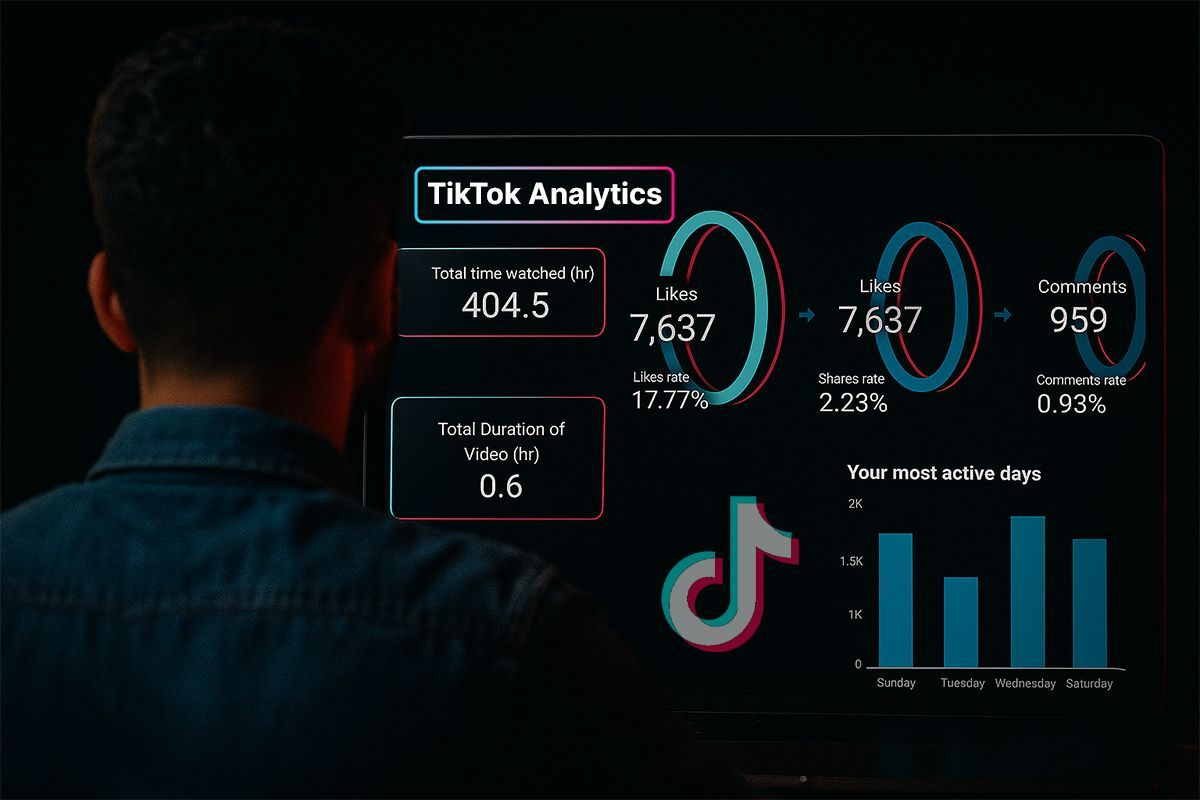
Hook Performance Metrics
TikTok measures hook success using:
- First 3 second retention rate
- Swipe away rate
- Average watch time after hook
- Early interaction rate
These metrics decide distribution level.
Hook Strategy for Different Content Types
Different content types require different hook structures.
Educational content
Start with problem or question.
Entertainment content
Start with action or moment.
Informational content
Start with direct statement.
Story content
Start with situation entry.
Hook and Algorithm Feedback Loop
TikTok uses feedback loops.
Process:
- Hook shown to viewers
- Viewer reacts
- System collects data
- Ranking adjusts
- Video redistributed or limited
Hook performance affects entire loop.
Hook Engineering System
Hook engineering focuses on controlling attention.
Methods:
- Remove unnecessary opening lines
- Start in middle of action
- Use direct entry statement
- Avoid context delay
These increase retention probability.
Hook and Replay Behavior
Replay behavior is also affected by hook strength.
If hook creates curiosity gap, users replay video to understand context.
Replay increases total watch time and ranking score.
Hook Structure Formula
A repeatable structure exists:
Hook = Attention trigger + Immediate context + Continuation signal
If any part fails, retention drops.
Hook Optimization Cycle
Hook performance improves through iteration:
- Publish video
- Measure retention data
- Identify drop point
- Adjust hook
- Re-upload or refine content
This cycle improves ranking stability.
Platform Behavior Context
TikTok is a short-form system. This means:
- First seconds decide performance
- Small delays reduce reach
- Fast engagement improves ranking
Hook plays central role in system response.
Conclusion
TikTok viral hooks are not random. They are structured entry points designed to control viewer behavior in the first seconds of content.
The system evaluates hooks based on retention, swipe rate, and engagement signals. A strong hook increases watch time, improves ranking score, and triggers wider distribution.
To improve viral potential, focus on hook structure, timing, and clarity. When hooks align with algorithm behavior, content reaches larger audiences through system-driven expansion.