Introduction
Reels creation is a process that combines content planning, recording, editing, and distribution on short video platforms. In 2026, Reels performance depends on watch time, retention, engagement, and early viewer behavior. Platforms like Instagram and Facebook use algorithm systems to decide which Reels get wider reach.
Professional Reels are not based on camera quality alone. They depend on structure, timing, audience behavior, and content flow. This article explains how to create Reels step by step using a structured system.
What Professional Reels Mean
Professional Reels refer to short videos that follow a structured format and generate consistent engagement through platform systems.
These Reels focus on:
- viewer retention
- watch behavior
- engagement actions
- share activity
How Reels System Works
Reels distribution follows a system-based flow.
Flow:
Upload → Test audience → Engagement tracking → Ranking decision → Wider distribution
Each step depends on user interaction.
Core Signals for Reels Performance
Watch time
Watch time is the total time users spend on a Reel.
Retention
R=∑ti
Where:
R = retention
t_i = time per viewer
Retention determines whether content continues to be shown.
Engagement rate
Engagement includes likes, comments, shares, and saves.
Share rate
S=viewsshares
Where:
S = share rate
Higher share rate increases reach.
Step 1: Content Idea Selection
Reels start with idea selection.
Common idea types:
- problem solving
- educational explanation
- story based content
- trend based content
Idea must match audience interest.
Step 2: Hook System
Hook is the first part of Reels.
System tracks:
- first second retention
- scroll stop behavior
- drop-off rate
Hook types:
- question entry
- problem entry
- statement entry
- situation entry
Weak hook reduces reach.
Step 3: Script Structure
Reels follow a structured script:
Hook → Main point → Explanation → Action
Each part affects viewer behavior.
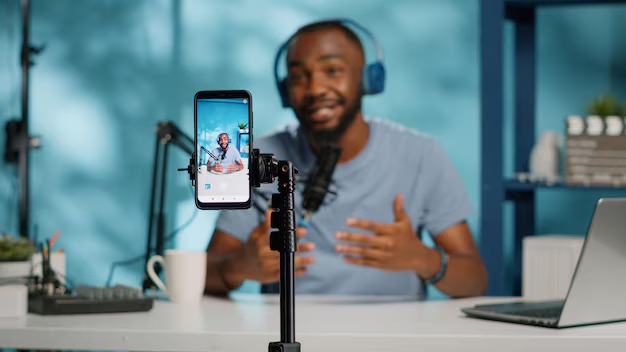
Step 4: Recording System
Recording depends on clarity, framing, and timing.
Key points:
- clear audio
- stable frame
- natural flow
- simple background
Recording quality affects retention.
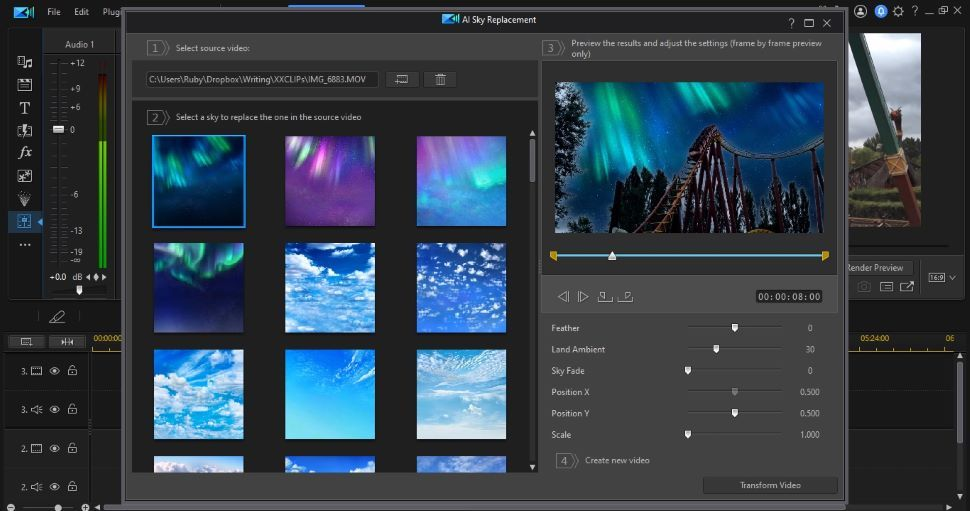
Step 5: Editing System
Editing controls content flow.
Functions:
- trimming unnecessary parts
- adjusting timing
- adding text
- syncing audio
Editing affects watch time.
Step 6: Retention System
Retention decides reach.
R=∑ti
Higher retention increases algorithm distribution.
Step 7: Engagement System
Engagement signals content value.
Types:
- likes
- comments
- shares
- saves
Engagement improves ranking.
Step 8: Caption System
Captions guide user action.
Used for:
- context explanation
- call to action
- keyword placement
Step 9: Hashtag System
Hashtags help content classification.
Used for:
- topic grouping
- discovery increase
- search visibility
Step 10: Posting Time System
Posting time affects early performance.
System tracks:
- first hour engagement
- audience activity
- competition level
Early engagement influences reach.
Step 11: Algorithm System
Reels algorithm works in steps:
- content uploaded
- small audience test
- engagement tracking
- ranking update
- expansion
Step 12: Audience Behavior System
Audience behavior determines performance.
Types:
- passive viewers
- active viewers
- returning viewers
Returning viewers increase distribution.
Step 13: Replay System
Replay behavior increases performance.
If users rewatch content:
- retention increases
- engagement increases
- ranking improves
Step 14: Share System
Shares increase reach outside followers.
S=viewsshares
Higher share rate increases viral reach.
Step 15: Save System
Saved Reels indicate value.
Saved content leads to:
- return views
- profile visits
- conversion actions
Step 16: Profile System
Profile converts viewers into followers.
Includes:
- bio
- content focus
- link placement
Clear profile increases follow rate.
Step 17: Content Types for Reels
Common types:
- tutorial content
- explanation content
- story content
- trend content
Each type affects engagement differently.
Step 18: Optimization System
Reels improve through testing:
- publish content
- collect data
- identify weak points
- adjust structure
- repost
Step 19: Performance Metrics
Reels performance depends on:
- views
- watch time
- engagement rate
- shares
- saves
Step 20: Distribution Flow
Reels distribution happens in stages:
- initial test
- engagement measurement
- expansion phase
- wider reach
- saturation phase
Step 21: Common Reels Problems
Most Reels fail due to:
- weak hook
- low retention
- unclear message
- inconsistent posting
- no structure
Step 22: Scaling Reels Content
Scaling depends on:
- consistent posting
- improved retention
- strong engagement
- better structure
Step 23: Content Workflow System
Complete workflow:
Idea → Script → Record → Edit → Publish → Analyze → Improve
Conclusion
Professional Reels creation is a structured process based on system behavior, audience interaction, and algorithm distribution. It is not based on editing alone.
The system measures watch time, retention, engagement, and shares to decide reach. When content performs well, it enters wider distribution cycles.
A strong Reels system depends on structure, consistency, and audience behavior alignment. When these elements are applied correctly, content performance improves through continuous algorithm feedback cycles.